Here are the best hand-washing methods to prevent COVID-19, according to experts.
Tons of cleaning and sanitization products are selling out amid the COVID-19 outbreak, including hand soap, hand sanitizer, dish soap and cleaning wipes. But which of these products will best help protect you from contracting the novel coronavirus?
First, it’s important to understand how the virus spreads. “Coronavirus is spread by droplets,” said Dr. Carl Fichtenbaum, an infectious disease specialist at the University of Cincinnati College of Medicine.
“These are small particles that are microscopic, which contain virus, proteins, carbohydrates and other materials. They travel through the air short distances less than one meter, typically,” he continued. One meter is a little bit over three feet.
If someone coughs or sneezes, virus-containing particles travel through the air. The smaller particles can be inhaled, and experts believe this “may be another route for transmission” of COVID-19.
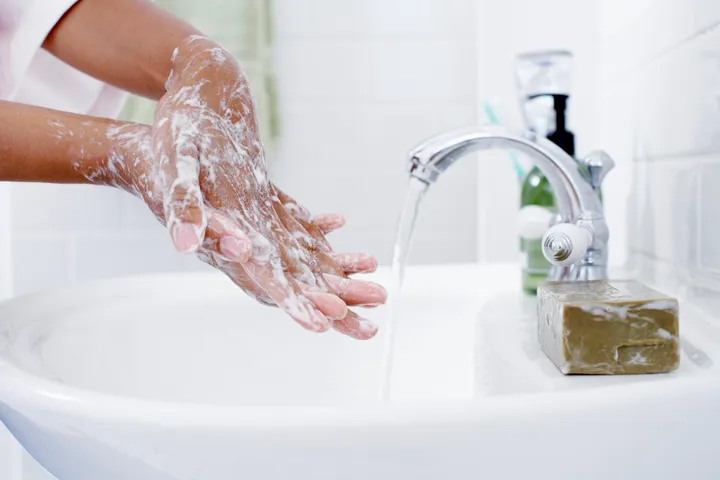
The best way to clean your hands is the old-fashioned way.
Some forms of hand-cleansing are better than others, said Dr. Neha Vyas, a family medicine physician at Cleveland Clinic. She says, for the most part, hand sanitizers play “second fiddle” to the actual act of washing your hands.
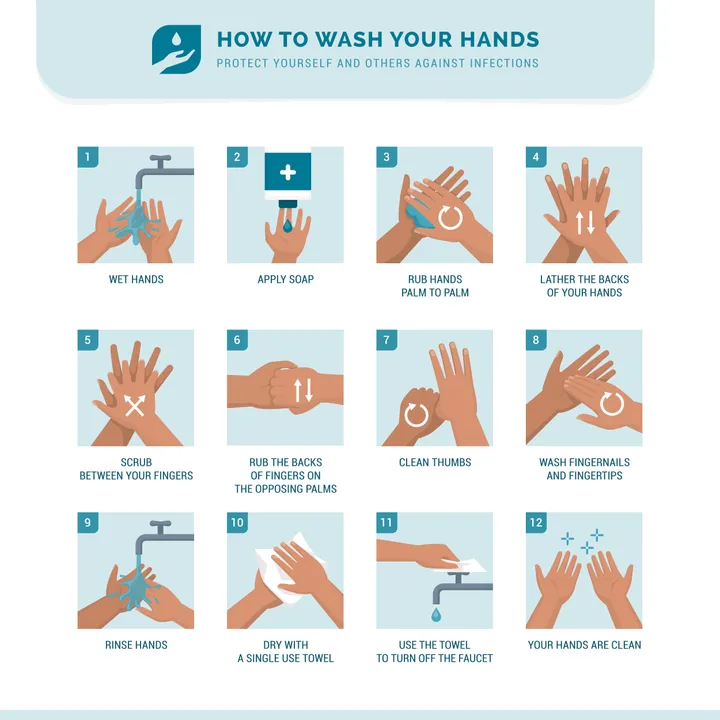
You should wash your hands for at least 20 seconds, she said, adding that the old trick to sing your ABCs helps mark time. Vyas noted that while hand sanitizer has been harder to find, there’s still plenty of soap available to stock up on.
Here’s the important part: The type of soap does not matter. Since COVID-19 is a virus, antibacterial hand soap is not going to give you an advantage over other varieties.
“There is no clear evidence that antibacterial soap works better than any other soap,” Fichtenbaum said. “The most important thing is washing hands for at least 20 seconds, and then it is a combination of soap plus mechanical disruption that works [to rid hands of the virus].”
Of course, you might not have access to water, soap and a sink at all times. This is where hand sanitizer comes in. If you can carry a small bottle and use it after coming in contact with people and surfaces, you’ll be in better shape than someone who doesn’t use it frequently.
“Anything that has about 60% alcohol or more is probably a good product,” Vyas said.
Alcohol-free hand sanitizing products are currently selling in large quantities, as well, but they are not recommended by the Centers for Disease Control and Prevention. The CDC recommends soap and water because the process is better at killing certain types of germs, including norovirus, than hand sanitizer. Also, if your hands are dirty or greasy, sanitizer is less effective.
If you do use hand sanitizer, the CDC notes to check the back of the bottle and apply the recommended amount to the palm of your hand. Make sure you rub the product all over the palms of both hands, as well as the backs of hands and in between fingers, so the entire surface area of both hands are covered. Once it dries completely, it should be fully effective. (If there’s grease or a lot of dirt on your hands, it might help to try and wipe that off before applying.)
Bottom line? Cleanse your hands as often as you can, with soap and water if it’s available, and alcohol-based sanitizer if it’s not. And yes. It’s very hard, but try not to touch your face.
Comments
Post a Comment
Please, tell us how we may be of help to you